Get Poison Oak Removal in Burlington County, NJ
Local contractors in Burlington County, NJ, can safely remove poison oak from yards, gardens, and wooded areas to prevent skin irritation and property damage.
Poison oak can pose a serious concern for property owners in Burlington County, NJ, especially for those planning outdoor projects or maintaining landscaped areas. Its presence can lead to skin irritation and potential health issues, making removal an important step in ensuring a safe and enjoyable outdoor environment. Property owners exploring options for managing this plant may want to compare local contractors who specialize in vegetation removal, ensuring the work is handled effectively and responsibly.
By considering local service providers, property owners can find experienced professionals familiar with the specific challenges of poison oak in the Burlington County area. Whether preparing for landscaping updates, clearing outdoor spaces, or simply wanting to reduce the risk of contact, it’s helpful to review available options and connect with contractors who can address these needs. Keep reading to learn more about how local experts can assist with poison oak removal.
- homeowners in Burlington County, NJ may need this service after experiencing skin irritation from outdoor exposure. - property owners in nearby neighborhoods might seek removal when poison oak plants threaten lawns or wooded areas. - landscapers and property managers may require professional assistance to safely eliminate poison oak from large sites. - residents in suburban communities could look for local contractors to clear poison oak from recreational yards or parks. - individuals working in outdoor environments might contact service providers to remove poison oak that has grown near work sites.
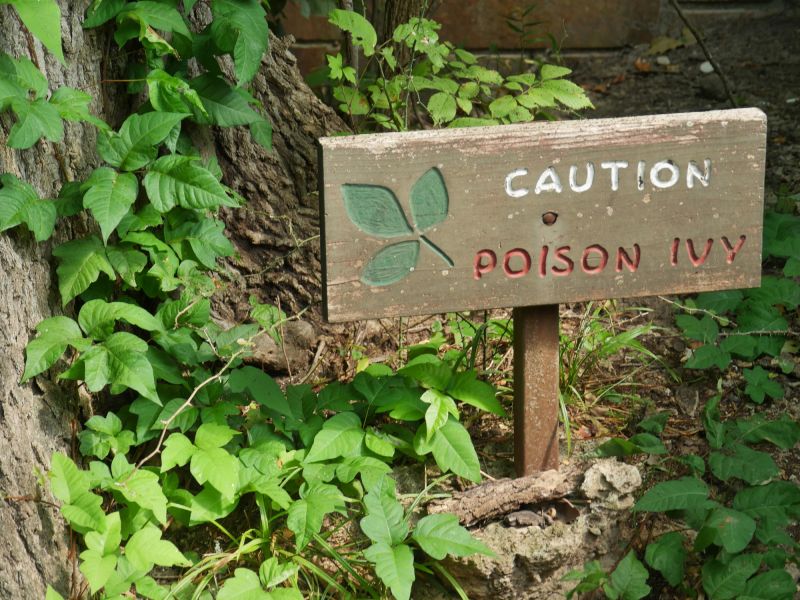
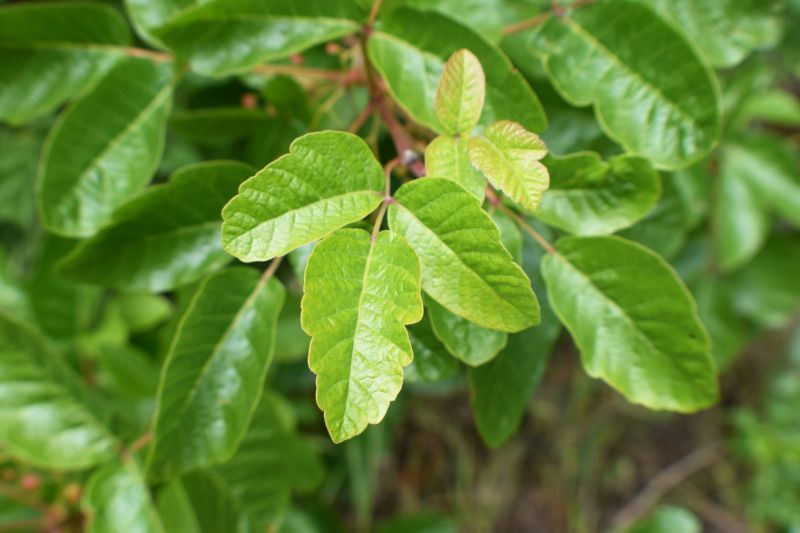
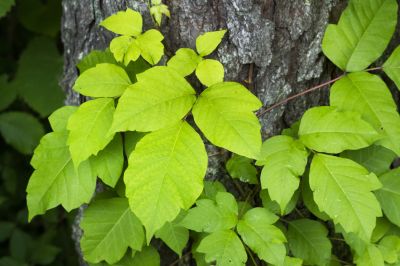
Poison oak removal services involve the careful identification and eradication of this invasive plant from residential and commercial properties. Skilled service providers typically start with an assessment to locate areas where poison oak is growing, especially in hard-to-reach spots like dense hedges, wooded edges, or shaded garden beds. The removal process may include trimming, cutting back, or physically removing the plants, followed by proper disposal to prevent regrowth. These professionals use techniques designed to minimize disturbance to surrounding landscaping while ensuring the poison oak is thoroughly eliminated, reducing the risk of exposure to anyone on the property.
This service helps address a common problem for homeowners and property managers: the risk of skin irritation and allergic reactions caused by contact with poison oak. When the plant is left unmanaged, it can quickly spread across a yard or outdoor space, making outdoor activities uncomfortable or unsafe. Poison oak can also pose a danger to children, pets, and anyone working or relaxing in the yard. Removing the plant not only helps prevent health issues but also restores the safety and enjoyment of outdoor areas, allowing families to use their property without worry.
Properties that typically use poison oak removal services include residential yards, suburban homes, farms, and estate properties with wooded or brushy areas. Parks, community gardens, and outdoor recreational spaces may also require professional removal to maintain safety standards. These services are especially useful in areas with dense vegetation or where poison oak has become a persistent problem. Property owners who notice a sudden increase in plant growth or suspect the presence of poison oak in their yard are encouraged to seek professional help to handle the removal safely and effectively.
By working with experienced service providers, property owners can ensure that poison oak is removed properly and thoroughly. Professionals are equipped to handle the plant safely, reducing the chance of accidental exposure or regrowth. Whether dealing with a small patch or a larger infestation, these local contractors can evaluate the situation and recommend the best approach to keep outdoor spaces safe and accessible. Contacting a qualified service provider can help property owners maintain a healthy, poison-free environment for their families and visitors.
The overview below groups typical Poison Oak Removal projects into broad ranges so you can see how smaller, mid-sized, and larger jobs often compare in Burlington County, NJ.
In many markets, a large share of routine jobs stays in the lower and middle ranges, while only a smaller percentage of projects moves into the highest bands when the work is more complex or site conditions are harder than average.
Smaller Jobs - For routine poison oak removal on small areas, local contractors typically charge between $250 and $600. Many projects fall within this range, especially for localized patches or minor overgrowth.
Medium-Sized Projects - Larger or more overgrown areas often cost between $600 and $1,200. These projects are common and usually involve clearing multiple sections or moderate brush removal.
Extensive or Complex Jobs - Large-scale removal involving extensive overgrowth or difficult access can range from $1,200 to $3,000. Fewer projects fall into this tier, but they are necessary for heavily infested properties.
Full Property Removal or Land Clearing - Complete removal of poison oak across a large property can cost $3,000 or more, with larger, more complex projects reaching $5,000+. These are less common but may be needed for significant land clearing efforts.
Actual totals will depend on details like access to the work area, the scope of the project, and the materials selected, so use these as general starting points rather than exact figures.
Brush clearing and invasive plant removal - local contractors often handle clearing overgrown areas and removing invasive plants, skills applicable to Poison Oak removal projects.
Landscaping and yard cleanup - professionals experienced in yard cleanup and vegetation management can efficiently tackle areas affected by Poison Oak.
Tree trimming and shrub pruning - pruning services require knowledge of plant growth and safe handling, similar to managing Poison Oak in various terrains.
Wildfire prevention vegetation management - experts in reducing fire risks by clearing brush and undergrowth possess skills relevant to Poison Oak removal efforts.
Trail maintenance and clearing - trail maintenance crews are familiar with navigating natural landscapes and removing unwanted plants like Poison Oak.
Fence line clearing and property boundary maintenance - contractors who clear fence lines often deal with dense vegetation, including Poison Oak, in their work areas.
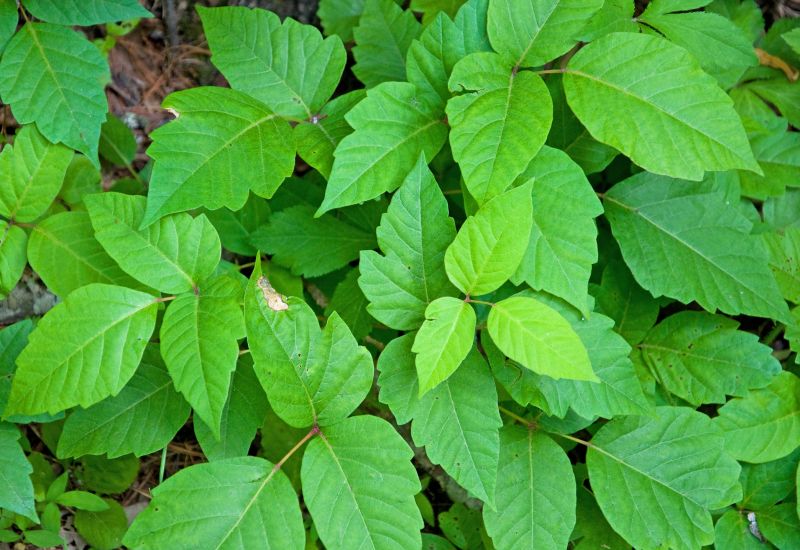
When comparing service providers for Poison Oak removal, it is important to consider their experience with similar projects. Homeowners should look for local contractors who have a proven track record of handling vegetation management tasks like Poison Oak removal in residential settings. An experienced professional will be familiar with the best techniques for safely and effectively removing the plant without damaging surrounding landscaping. Asking for details about their past projects or areas of expertise can help ensure the selected provider has relevant experience to meet specific needs.
Clear, written expectations are essential when choosing a local contractor for Poison Oak removal. Homeowners should seek providers who can offer detailed descriptions of their services, including the scope of work, methods used, and any necessary follow-up. Having this information in writing helps prevent misunderstandings and ensures both parties are aligned on what will be done. It’s also beneficial to clarify what the removal process entails, how cleanup will be handled, and any precautions to consider, providing peace of mind throughout the project.
Reputable references and effective communication are key factors in selecting a reliable service provider. Homeowners can ask local contractors for references from previous clients or examples of completed projects similar to theirs. This provides insight into the quality of work and professionalism. Additionally, good communication-such as prompt responses to questions and clear explanations of procedures-can make the process smoother and more transparent. By focusing on these aspects, homeowners can connect with trusted local professionals who are well-equipped to handle Poison Oak removal safely and efficiently.
Property owners in Burlington County, NJ use Poison Oak Removal services for practical projects around their homes and businesses. This guide focuses on everyday jobs and straightforward project options.
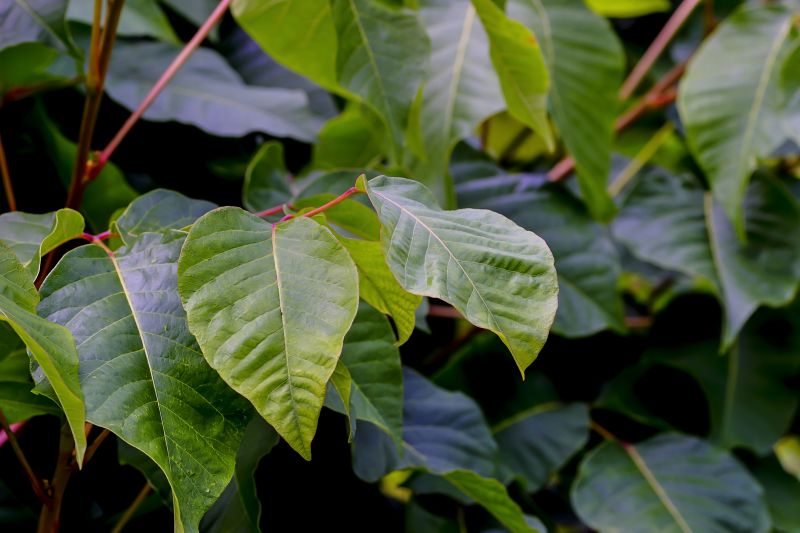
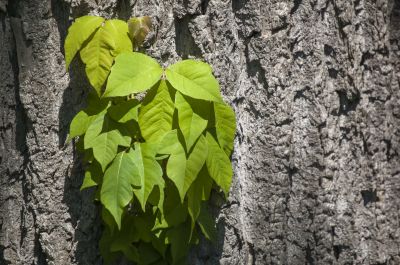
Poison oak can often be found growing along wooded areas, fence lines, or shaded patches of a property in Burlington County, NJ. Property owners may seek removal services when they notice the plant spreading into lawns, gardens, or recreational spaces, especially if children or pets frequently play nearby. Local contractors are experienced in safely identifying and removing poison oak to prevent accidental contact and reduce the risk of skin irritation or allergic reactions.
In many cases, property owners might look for poison oak removal when planning outdoor projects such as landscaping, clearing trails, or creating new garden beds. Overgrown or hidden patches can pose hazards, making professional removal a practical choice for maintaining a safe and accessible outdoor environment. Service providers in the area can handle these projects efficiently, helping residents manage unwanted plant growth and keep their properties safe and enjoyable.
What are the signs of Poison Oak exposure? Common signs include skin redness, itching, swelling, and the development of blistering rashes after contact with the plant.
How do local contractors typically remove Poison Oak? They often use manual trimming, herbicide application, or specialized removal techniques to safely eliminate Poison Oak from property landscapes.
Is Poison Oak removal safe for surrounding plants and wildlife? Professional service providers take care to minimize impact on nearby vegetation and ensure safe removal practices.
What should be done if I suspect Poison Oak contact? It is recommended to wash affected skin thoroughly and contact local contractors for removal services to prevent further exposure.
Can Poison Oak grow back after removal? Yes, if roots are not completely removed, Poison Oak can regrow; professional removal aims to eliminate the plant thoroughly to prevent recurrence.
Preventing Poison Oak Exposure - Property owners can have local contractors remove poison oak before it spreads to high-traffic areas like walkways or play zones.
Clearing Overgrown Areas - Removing poison oak from overgrown sections of a yard can make outdoor spaces safer for family activities and gardening.
Creating Safe Landscaping - Incorporating poison oak removal into landscaping projects helps maintain a safe environment around patios, decks, and garden beds.
Managing Property Boundaries - Local service providers can assist with clearing poison oak along fences or property lines to prevent encroachment into lawns or recreational areas.
If you are thinking about Poison Oak Removal for a property in Burlington County, NJ, this guide is meant to help you understand the work, the typical project types, and how different options might fit your plans.
When you are ready, you can use the quote form on this page to share a few details about your project. From there, local pros can review the basics and respond with options that match what you have in mind.